Hey Worm People,
There are two types of people in this world. Those that enjoyed drawing benzene rings in organic chemistry class and those that still have nightmares from it. Whichever side of that coin you fall on, we have you covered. This guide will define pH and give you practical steps to managing it in your bin.
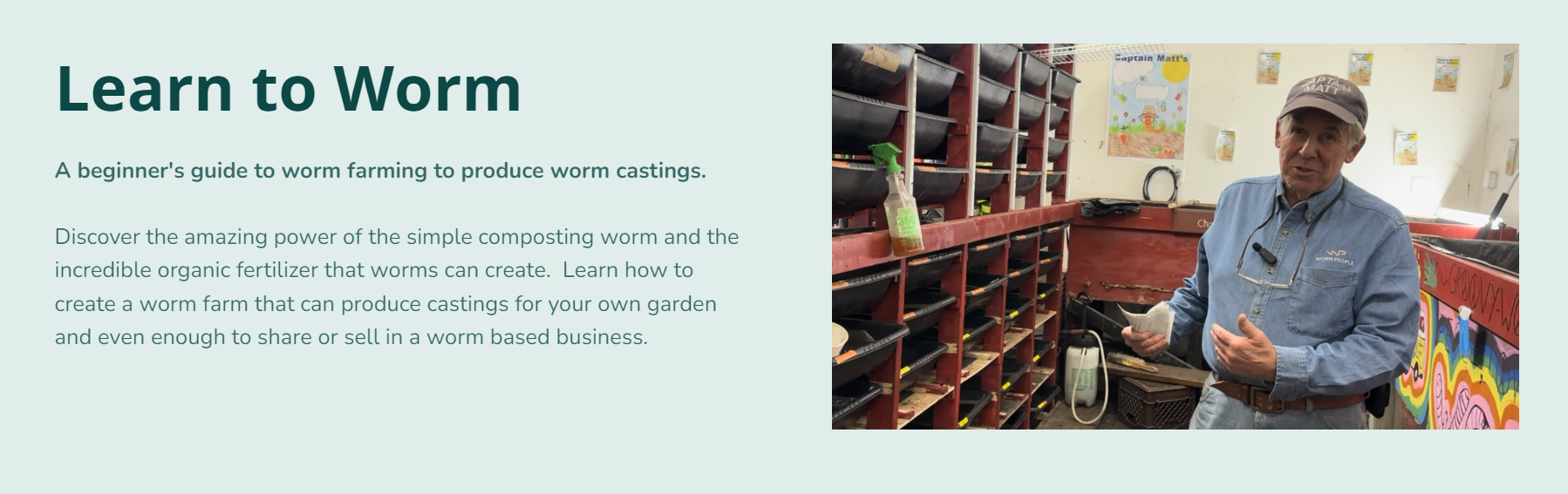
Before we dissolve ourselves, we would like to invite you to take our course Learn to Worm. We poured hundreds of hours into the development of this course to give you the tools you need to start your own successful worm farm. Sign up today!
 Sign up today!
A Simplified Solution: pH Understood
pH is an intimidating concept for some, but don't fret. It’s very simple. Hydrogen is a proton. Acidic solutions have too many protons. This happens because water dissociates. Dissociation is when pure H₂O becomes H⁺ and OH⁻. When other compounds are added to water, they will borrow H⁺ if they need them or OH⁻ molecules if they need them. This is how water can go from being Neutral 7.0 pH to Acidic or Basic. The larger the concentration of H⁺ ions, the more acidic the solution is.
pH’s Effect on Worms
Think of hydrogen as the glue that binds the universe: one singular proton surrounded by an electron. This electron gets shared with other ions and molecules that need it. When there are too many or too few hydrogen ions (H⁺), it disrupts the delicate balance of proteins.
- **In alkaline environments (high pH):**Positively charged amino acids lose hydrogen ions (protons).This can cause proteins to denature and lose their functional shape.
- **In acidic environments (low pH):**Negatively charged amino acids gain hydrogen ions (protons).This can also cause proteins to denature and lose their functional shape.
Both situations are bad for our worms.
Four Ways Acidic and Alkaline Environments Impact Worms
- Respiration: Worms breathe through their skin, and an optimal pH allows efficient gas exchange. Both acidic and alkaline conditions can damage the skin, impairing their ability to absorb oxygen and expel carbon dioxide.
- Moisture Retention: Worms rely on a moist skin surface for respiration and mobility. Acidic and alkaline conditions can disrupt the skin's ability to retain moisture, leading to dehydration and increased stress.
- Reproduction: Extreme pH levels can affect worms' reproductive health, reducing their ability to reproduce effectively. This can slow down the population growth in your worm bin.
- Microbial Balance: The microorganisms in the worm bin that help decompose organic matter also thrive within a specific pH range. Extreme pH levels can kill beneficial microbes or promote harmful ones, disrupting the decomposition process and potentially harming the worms.
pH's Effect on Microorganisms
Microorganisms are the foundation of our worm bin. They break down organic matter and are the food our worms eat. Worms and beneficial microbes prefer a neutral to slightly acidic environment, thriving in a pH range of 6.0-7.0.
Acidic Environments:
- Damages cells, inhibits enzymes, disrupts metabolism
- Reduces beneficial microorganisms
- Kills aerobic bacteria, promotes harmful anaerobic bacteria
Alkaline Environments:
- Denatures proteins and enzymes
- Disrupts cellular functions and metabolism
- Favors less effective decomposers
Both extremes reduce beneficial microbes and disrupt the composting process.
pH’s Effect on Nutrient Availability
pH impacts nutrient availability. A neutral environment creates the optimal setting for nutrient availability. In acidic conditions (pH <6.0), the big three (NPK) are less available while some micronutrients like iron (Fe) and manganese (Mn) become more available, potentially leading to toxicity. In a basic environment (pH >7.5), iron and zinc are less available, creating deficiencies. A neutral environment is the best for balanced nutrient availability.
The First Step in Managing Your pH: Testing
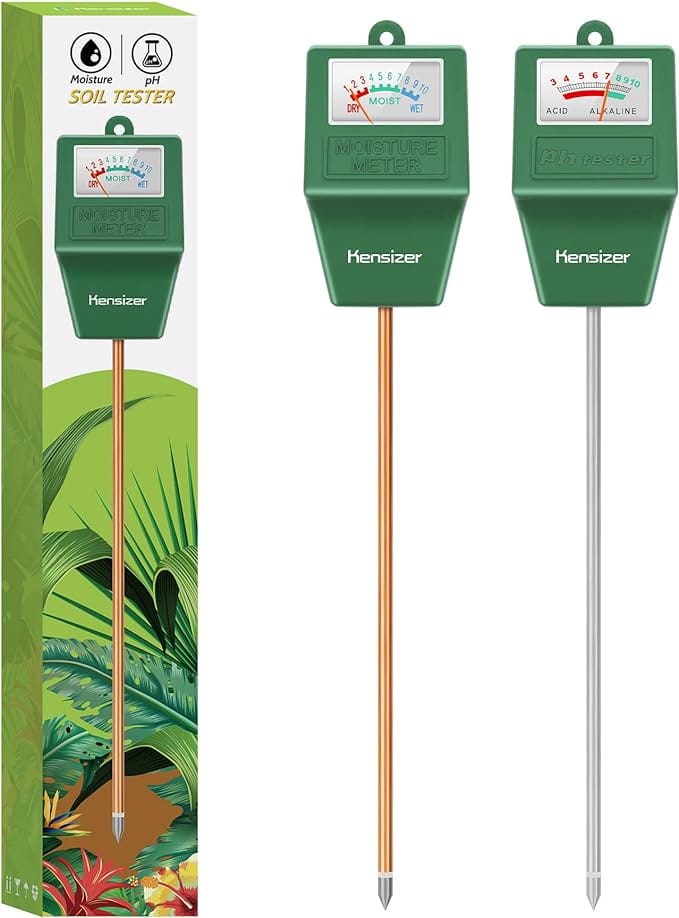
The most important test you can take in your bin is the pH. The best way to do this is with test strips or an electronic tester. We recommend the Kensizer combo set (Affiliate Link). This set of two testers will measure the pH and moisture levels in your bin. Moisture levels are important for pH management and this combo set is an inexpensive way to measure both.
 Buy the Kensizer combo set (Affiliate Link) on Amazon
We receive a small commission if you purchase through our affiliate link at no additional cost. Thank you for your support. We recommend you check your local nursery or garden supply store first. Local is always better.
Why Our Worm Bin Becomes Acidic
Worm bins become acidic due to various factors that disrupt the balance of the environment.
- Overfeeding with acidic food scraps:
- Citrus fruits
- Tomatoes
- Coffee grounds
- Using too much acidic bedding:
- Pine needles
- Oak leaves
- Peat moss
Insufficient aeration and excess moisture can also contribute to acidity by promoting anaerobic conditions, which produce organic acids as byproducts. Additionally, lack of buffering materials like crushed eggshells or garden lime can allow the bin to become overly acidic.
Why Our Worm Bin Becomes Alkaline
Worm bins become alkaline by adding excessive amounts of alkaline materials such as:
- Crushed eggshells
- Wood ash
- Garden lime
Overuse of certain bedding materials like straw or hay, which have higher pH levels, can contribute to alkalinity. Insufficient acidic food scraps can fail to counterbalance the alkalinity. These conditions lead to a less effective microbial community and poor-quality compost.
How to Raise the pH in Your Worm Bin
Raising the pH is a process of adding materials that can absorb the excess hydrogen ions, reducing the acidity. This process is accomplished by adding items that are proton receptors. They can absorb the excess hydrogen, lowering the acidity (raising the pH). The best soil conditioners for raising the pH are:
Crushed Eggshells
- pH Value: 8.5 - 9.5
- Instructions: Rinse and dry the eggshells before crushing them into fine pieces.
- Warnings: Use sparingly to avoid over-alkalizing the bin. Large pieces may take longer to decompose.
Wood Ash
- pH Value: 10 - 12
- Instructions: Sprinkle a small amount evenly over the bin and mix it in.
- Warnings: Use very sparingly, as wood ash is highly alkaline. Excessive use can raise pH too much and harm worms.
Shredded Cardboard and Paper
- pH Value: 8.0 - 9.5
- Instructions: Use unbleached, ink-free cardboard and paper. Shred into small pieces for better decomposition.
- Warnings: Avoid glossy or colored paper as it may contain harmful chemicals.
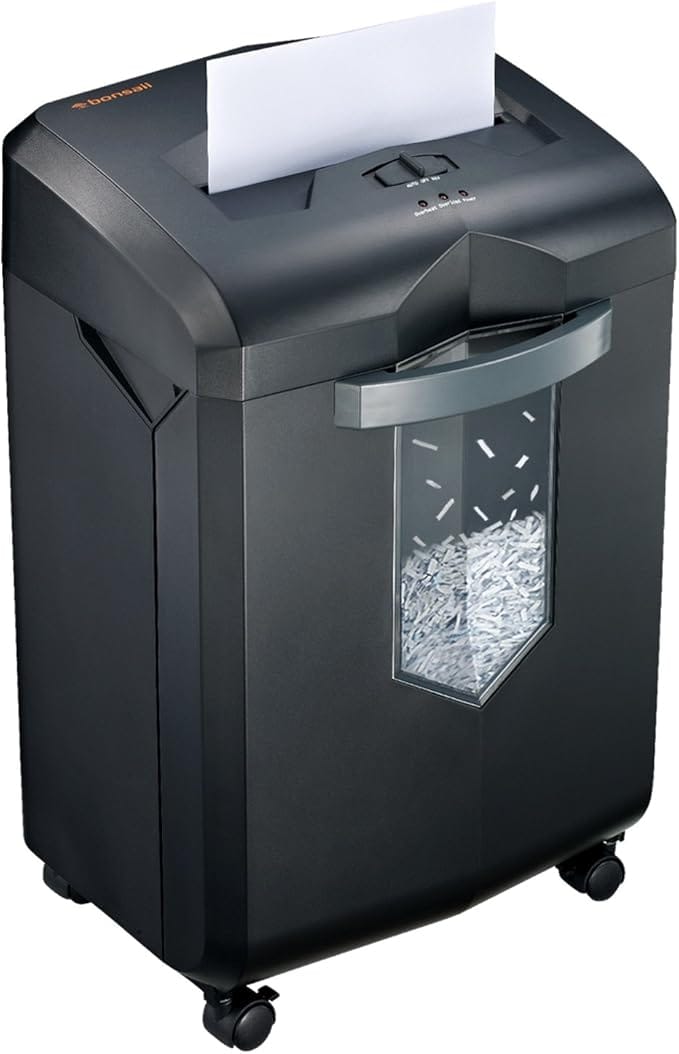 Buy the Bonsai 18-Sheet Heavy Duty Paper Shredder on Amazon (Affiliate Link)
Note: Check your local Thrift Store for used paper shredders. Trusted Wormer Laurel found hers for 12.99!
 Join the conversation
Straw
- pH Value: 7.5-9
- Instructions: Add in layers, mixing well with other bedding materials. Ensure it is free from pesticides and herbicides.
- Warnings: Straw can compact, so mix it with other materials to maintain aeration.
Hay
- pH Value: 6.5 - 8.0 (can vary depending on the source)
- Instructions: Similar to straw, add in layers and mix well. Ensure it is pesticide-free.
- Warnings: Can compact if used alone; mix with other bedding to maintain airflow.
Sawdust (from Hardwoods)
- pH Value: 4.0 - 6.0 (slightly acidic to neutral, but hardwood sawdust can sometimes be more neutral)
- Instructions: Use sawdust from untreated hardwoods. Mix it well with other bedding materials.
- Warnings: Avoid sawdust from treated wood or softwoods like pine, which can be harmful to worms.
Oyster Shell Flour
- pH Value: 8.5 - 9.5
- Instructions: Sprinkle a small amount evenly over your bin and mix.
- Warnings: Use sparingly, as large amounts can excessively raise pH and take a long time to break down.
Agricultural Lime (Calcium Carbonate)
- pH Value: 9.0 - 10.0
- Instructions: Sprinkle a small amount evenly over the bin and mix it in.
- Warnings: Use only calcium carbonate lime, not quicklime or hydrated lime, which can be harmful to worms.
Dolomite Lime (Calcium Magnesium Carbonate)
- pH Value: 9.0 - 10.5
- Instructions: Apply a small amount evenly and mix it into the bedding.
- Warnings: Use in moderation to avoid over-alkalizing the bin.
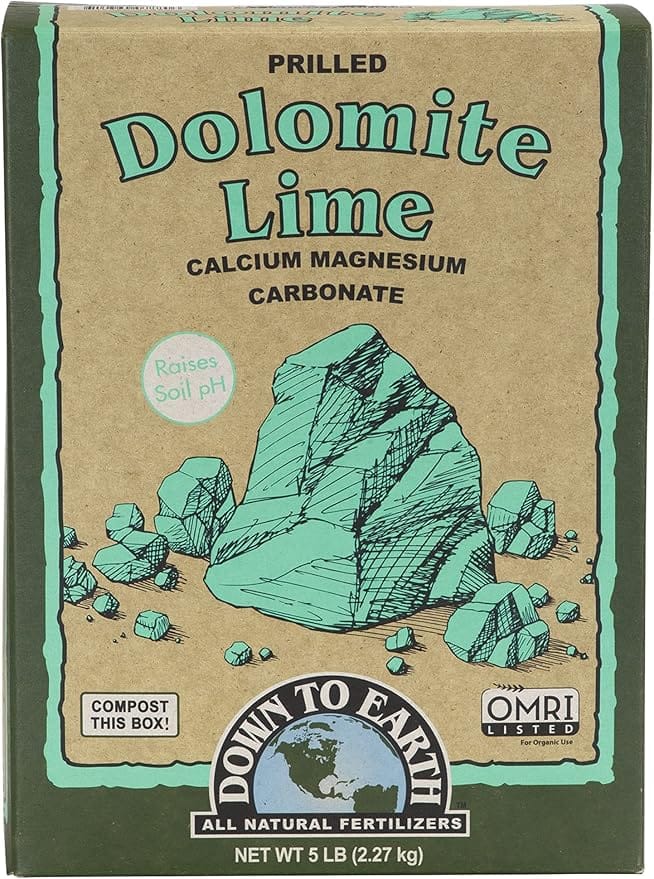 Buy Down To Earth All Natural Prilled Dolomite Lime on Amazon (Affiliate Link)
Remember: Buy local whenever possible!
How to Lower the pH in Your Worm Bin
Equally dangerous to our worms as acidity is an over-alkaline environment. If this happens, we need to take the necessary steps to lower the pH (increase the acidity). You will rarely run into an issue where your bin is too alkaline. This is because most of the feed we provide our worms is acidic. If your bin becomes too alkaline, here is a list of the most common items you can use to lower your pH:
Coffee Grounds
- pH Value: 6.2 - 6.8 (slightly acidic)
- Instructions: Sprinkle used coffee grounds over the bedding and mix them in.
- Warnings: Use in moderation, as too much can make the bin overly acidic and harm worms.
Citrus Peels
- pH Value: 2.5 - 3.5 (highly acidic)
- Instructions: Cut citrus peels into small pieces and add sparingly to the bin.
- Warnings: Citrus peels contain limonene, which can be toxic to worms in high concentrations. Use sparingly and ensure they are well-mixed with other materials to avoid over-acidification and potential harm.
Pine Needles
- pH Value: 3.2 - 3.8 (highly acidic)
- Instructions: Add a small amount of pine needles to the bin, mixing them well with other bedding materials.
- Warnings: Pine needles are highly acidic and should be used sparingly to prevent over-acidification.
Peat Moss
- pH Value: 3.5 - 4.5 (highly acidic)
- Instructions: Mix peat moss into the bedding material to help lower the pH.
- Warnings: Peat moss can hold a lot of moisture, so monitor the bin to ensure it doesn't become too wet.
Oak Leaves
- pH Value: 4.5 - 5.0 (acidic)
- Instructions: Add shredded oak leaves to the bin and mix them with other bedding materials.
- Warnings: Oak leaves are acidic and should be used in moderation to avoid creating an overly acidic environment.
Tea Bags
- pH Value: 4.0 - 6.0 (slightly acidic to neutral, depending on the type of tea)
- Instructions: Add used tea bags directly to the bin or open them and spread the contents.
- Warnings: Only use biodegradable tea bags and make sure they do not have any synthetic fibers.
Fruit Scraps (Apple Cores, Banana Peels)
- pH Value: 4.0 - 5.0 (slightly acidic)
- Instructions: Add fruit scraps to the bin in small amounts, mixing them well with other materials.
- Warnings: Fruit scraps can attract fruit flies, so bury them well in the bedding or freeze prior to use.
Vegetable Scraps (Tomato Scraps)
- pH Value: 4.0 - 4.6 (acidic)
- Instructions: Chop vegetable scraps into small pieces and mix them into the bin.
- Warnings: Tomato scraps are quite acidic and should be used sparingly.
Grass Clippings
- pH Value: 6.0 - 7.0 (neutral to slightly acidic)
- Instructions: Add fresh grass clippings in thin layers, mixing well with other bedding materials.
- Warnings: Grass clippings can compact and become slimy, so use them sparingly and mix thoroughly. They generate large amounts of heat when they first start to decompose.
 Click here to read our previous Newsletter Article
Managing pH in your worm bin
Managing the pH in our bin is not difficult. It's all about buffering capacity and balance. Balancing acidic and alkaline ingredients in the right balance is the key to managing your bin and maintaining a health herd.
Our Mission
We are Worm People. We do this for the love of worms but also the love of community. We love sharing knowledge and growing as a group. Our love for our little wriggly friends brings us all together. Through them, we nurture our living soil. Worm farming reduces waste in landfills and rejuvenates stressed depleted topsoil. You are creating a healthier, biodynamic world. You are making a difference!